

Why Your Paid Search Strategy needs a Signals Upgrade, not just a Keyword List
According to Ofcom, over half the UK is now using tools like ChatGPT and Gemini to search.
Without any other context, that stat alone just about sums up the current PPC landscape in a nutshell.
Last week, our Head of Paid Search, Jérémy Courty, hosted Signals Over Keywords, a session on where search is actually heading and what that means for the way you plan, brief, and measure your PPC activity. Google's Adam Hetherington joined for a fireside chat too. If you missed it (or want the highlights without the 60 minutes), here's what mattered.
The search you know isn't the search your customers are doing
For years, search has worked the same way. Someone types a query, Google matches it to a keyword, and the most relevant result wins. You've built entire account structures around that logic. Exact match, phrase match, broad match, all designed for a world where intent gets typed in three or four words.
That world is shrinking.
AI Overviews now sit at the top of the results page. AI Mode has its own tab. And when someone does search using an LLM like ChatGPT or Gemini, the conversation is 2 to 4 times longer than a traditional search query. Instead of "living room lights," you're now looking at something closer to "I've got a small flat with low ceilings, what kind of lighting won't make it feel cramped?"
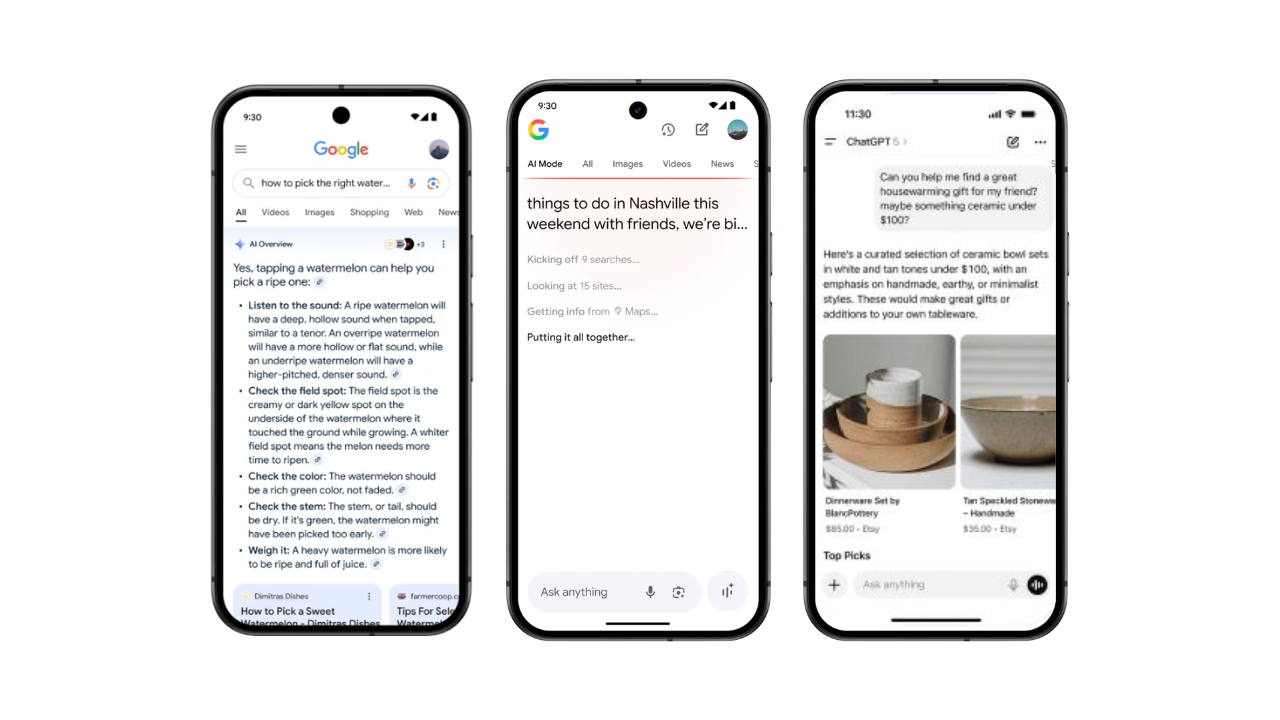
That's not a keyword. That's a conversation. And Google can't match a conversation to an exact match term, however good your negative keyword list is.
The result is what the industry's calling “zero-click search”: great for the person searching, who gets an instant answer without leaving the platform, and a headache for brands who used to rely on that click.
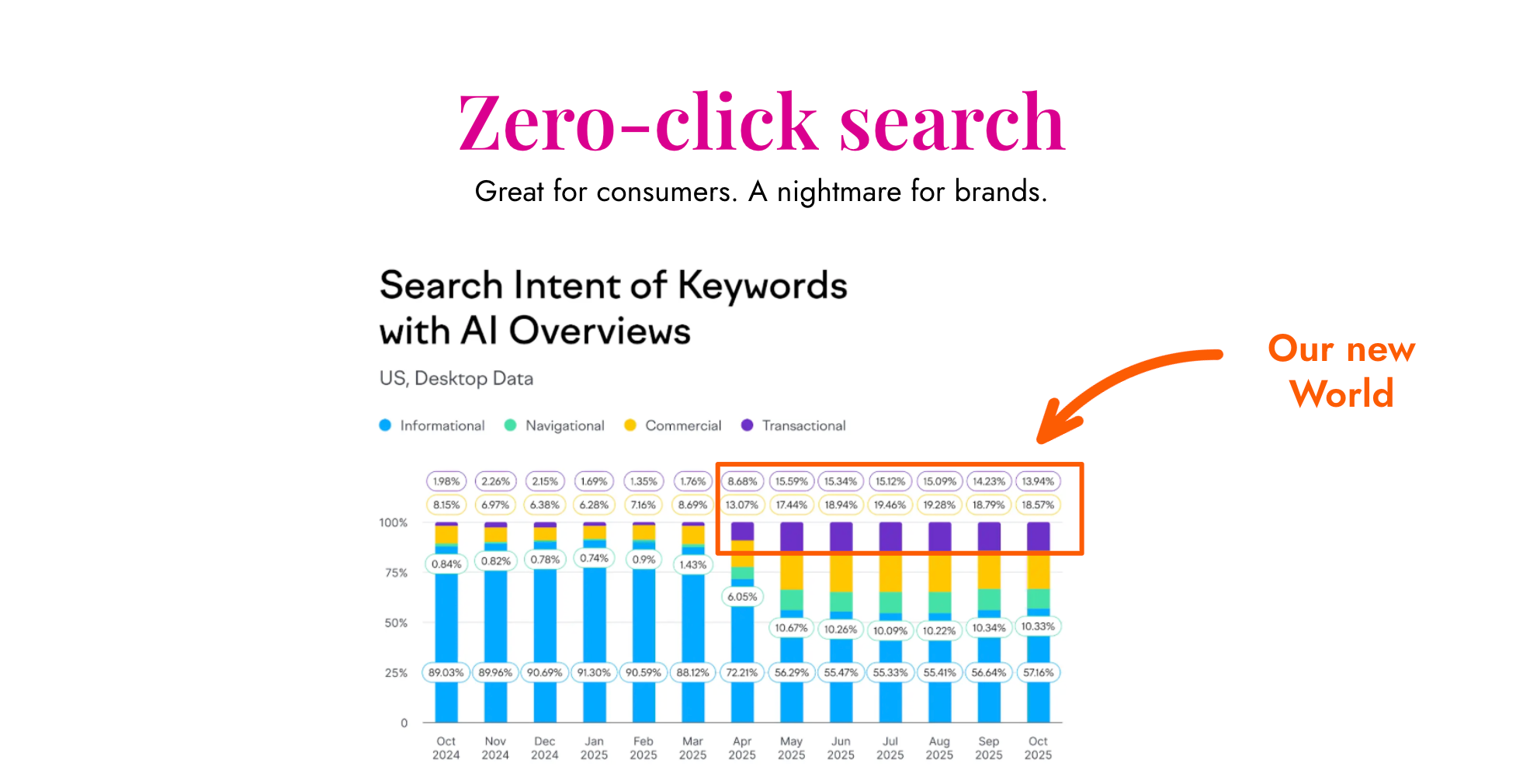
Keywords aren't dead. The way people search is.
Here's the part that's easy to miss in all the noise: this isn't really a story about keywords disappearing. It's a story about Google trying to predict what someone wants next, rather than just matching what they typed.
That's why PMax, Demand Gen, and now AI Max exist. They're built for a world of broad match and asset-based matching, where the algorithm does the job a strict keyword list used to do. In testing, AI Max drove anywhere from 4% to 42% in incremental conversions, on auctions accounts wouldn't have been eligible for otherwise. The range is wide because the opportunity depends entirely on whether you've got the volume, budget, and broad match foundations in place to begin with.
None of this means handing over full control. It means being far more deliberate about what you feed the algorithm with, which brings us to the bit that actually matters most.
Garbage in, garbage out
If there was one thing to take away from the session, it was this: the fundamentals haven't changed. They've just become non-negotiable.
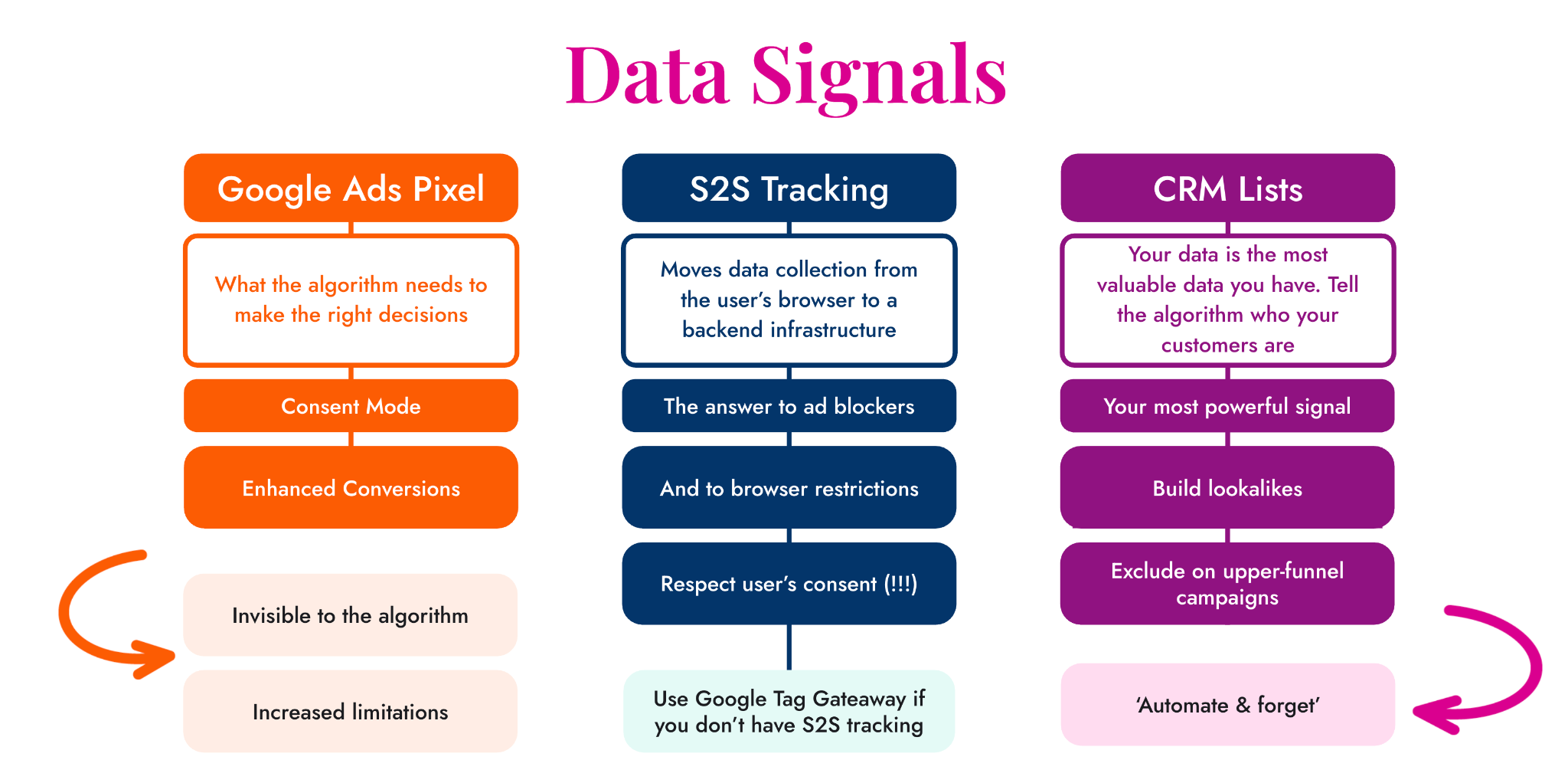
Your data signals. Enhanced conversions and consent mode aren't optional extras anymore. Without them, a chunk of your sales data simply doesn't reach the algorithm, and it can't optimise towards conversions it can't see. If you're not already using server-to-server tracking or Google Tag Gateway, that's your next move. And if you're not importing your own CRM lists into the account, you're leaving your most powerful signal on the table.
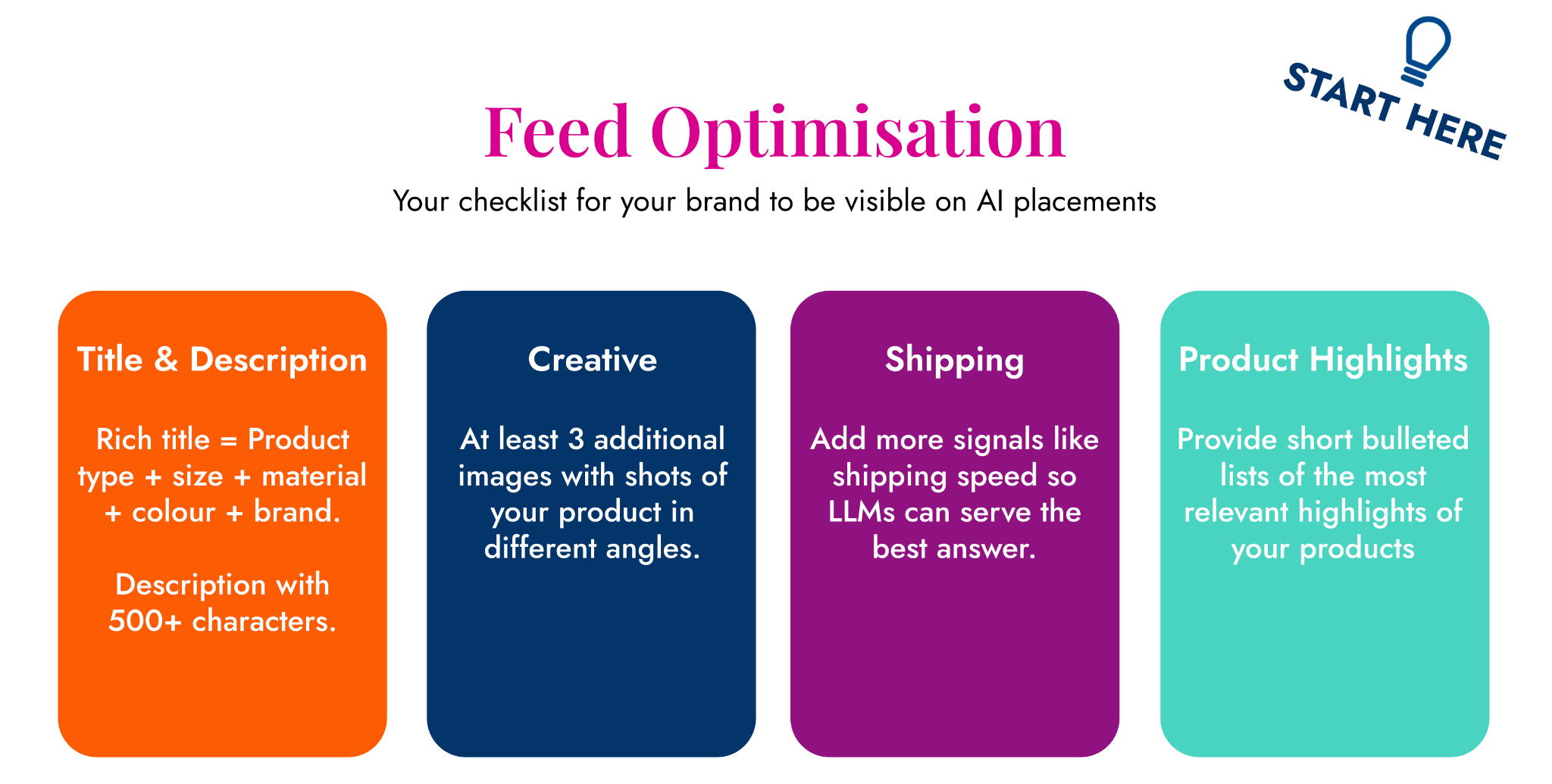
Your feed. Title, image, price, description used to be enough. It isn't anymore. Rich titles, descriptions over 500 characters, three or more lifestyle images, clear shipping and returns information, and Google's newer conversational attributes (think product Q&As and related product links) all feed directly into whether your product shows up in an AI-driven placement or not. Don't think "click." Think "problem-solving."
Get those two things right, and you're in a far stronger position to let the algorithm do what it's actually good at.
(We’ve got a whole blog on how to fix your feed, which you can read here.)
The uncomfortable bit: diversification
ROAS has quietly become the channel's own worst enemy. Want more volume? Spend more. Want to be more profitable? Spend less. It's a lever that's easy to pull and hard to escape, and it's kept a lot of PPC budgets locked into last-click, bottom-of-funnel activity for years.
But the platforms with the reach to bring in genuinely new customers, YouTube in particular, have historically been difficult to measure, which made them a hard sell to a board fixated on immediate ROI.
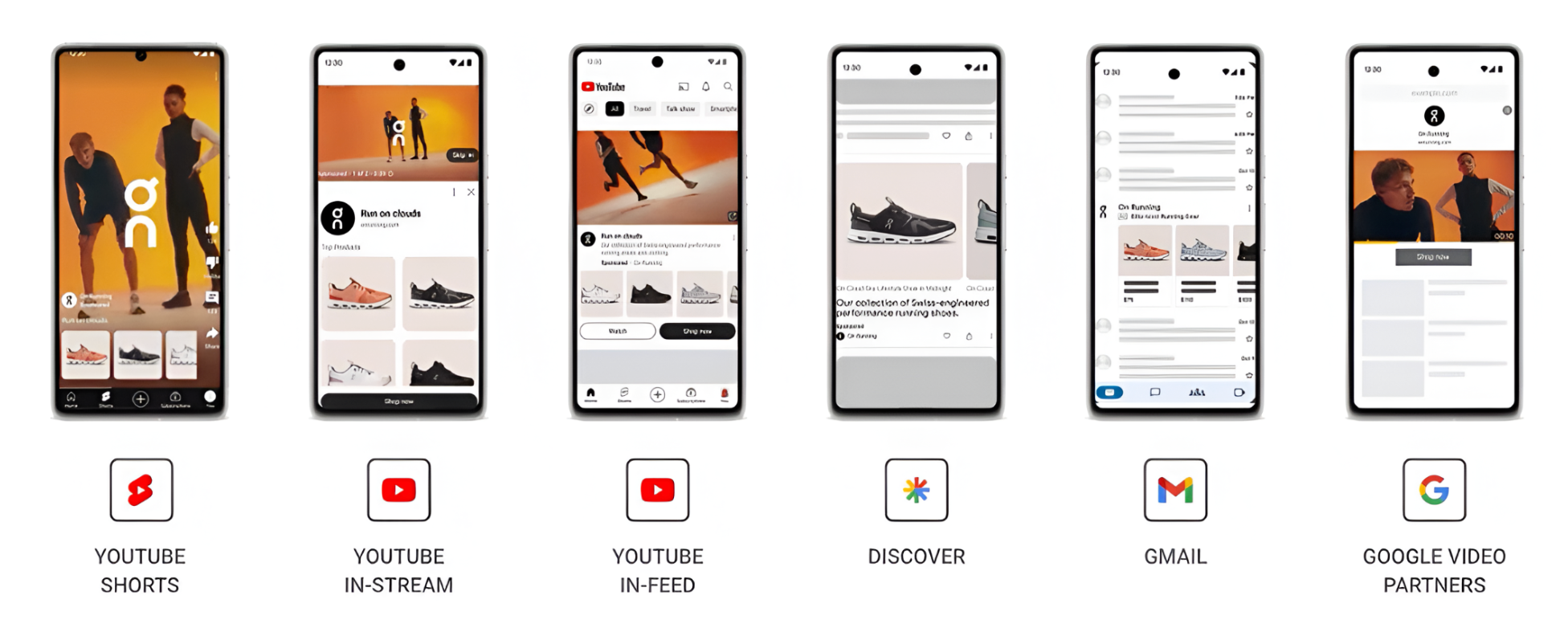
That's changing. Demand Gen campaigns are now delivering CPCs 50 to 75% cheaper than PMax in some verticals, and measurement tools like brand lift studies, YouTube reporting, and attributed brand search data mean you can finally show the impact rather than just hoping it's there. 45% of YouTube Shorts users don't touch TikTok, and 65% don't use Instagram Reels either, so this isn't just the same audience on a different app.
The hard part isn't the tactic. It's the conversation with senior stakeholders about shifting budget away from the channel that's always felt safest.
What to actually do next
- Audit your tracking setup this week: enhanced conversions, consent mode, and server-side tracking if you haven't already
- Get your CRM lists into the account, even if it's a manual monthly export to start
- Run your feed against the checklist: rich titles, longer descriptions, more imagery, shipping and returns data
- If you're already running Search at volume, test AI Max on a portion of spend
- Put 5 to 10% of your PPC budget towards Demand Gen and start building the measurement case internally
None of this is about chasing the shiniest new platform (ChatGPT ads included, more on that in the blog here). It's about making sure what you're already doing is working hard enough to actually be found.
Want to talk through what this looks like for your own accounts? Get in touch with the team and we'll pick up where the webinar left off.

